

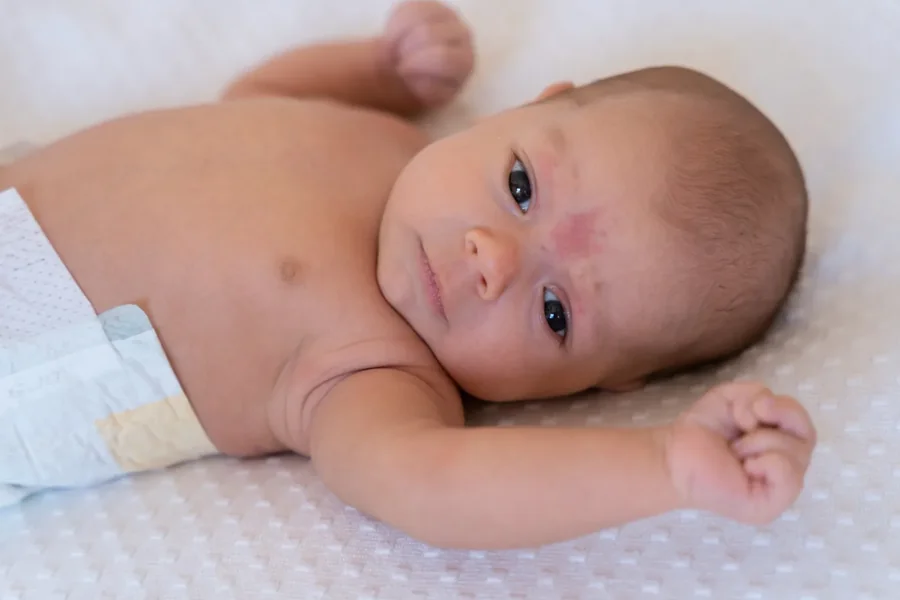
Seeing white flakes or dry patches on your baby’s head can be stressful for any parent. A dry scalp in babies and toddlers is a common condition and usually not serious. Still, understanding what causes it, how to identify it, and how to treat it can help you take better care of your child.
At-home care plays a key role in managing dry scalp, but having access to expert guidance makes a big difference. Whether it’s daily baby care provided by a trained nurse or a home doctor visit for medical reassurance, professional support can ease your concerns.
What Is a Dry Scalp in Babies and Toddlers?
A dry scalp in babies means the skin on the head becomes dry and flaky. This may cause itching or slight redness, but in most cases, it is harmless. It can happen at any age, from newborns to toddlers. Dry scalp often gets confused with cradle cap, but they are not the same.
How Is It Different from Cradle Cap?
A cradle cap is a condition that causes yellow or brown greasy patches on a baby’s scalp. These patches may look thick or crusty. In contrast, dry scalp looks more like regular dandruff or dry skin. It appears as white flakes and does not look oily or sticky. Cradle caps usually appear in babies under three months old, while dry scalp can happen at any time.
What Causes Dry Scalp in Babies and Toddlers?
Why Do Babies Get Dry Scalp?
There are several reasons why babies and toddlers develop dry scalp:
- Cold or dry weather: During winter or in air-conditioned rooms, the air becomes dry and can make your baby’s skin lose moisture.
- Overwashing: Washing your baby’s hair too often or using strong soaps can strip away natural oils.
- Mild skin allergies: Some babies react to certain shampoos, lotions, or laundry detergents.
- Underdeveloped oil glands: A baby’s skin may not produce enough oil to stay moisturized.
- Nutritional issues: Lack of healthy fats or certain vitamins may affect skin health, although this is rare in babies who are eating well.
How to Identify Dry Scalp in Babies
Common Signs Parents Should Watch For
- White or gray flakes on the scalp
- Slight redness or dry patches
- Itching or rubbing the head often
- Scalp looks dull or rough
- No sign of yellow crusts or infection
If you notice these symptoms, it is likely a case of dry scalp rather than a more serious condition. However, it is important to observe if the situation gets worse or does not improve with care.
Safe and Effective Dry Scalp Treatments for Babies and Toddlers
Pediatrician-Recommended Treatments
Most cases of dry scalp can be treated at home with safe and simple methods. If your baby has a very sensitive scalp, it is best to speak to a pediatrician before starting any treatment.
Here are some treatment options doctors often suggest:
- Use a gentle, fragrance-free baby shampoo. Wash your baby’s hair only two or three times a week.
- Apply a fragrance-free moisturizer after washing. This helps lock in moisture.
- Use baby-safe oils like mineral oil or coconut oil before bath time. Let it sit for 15 minutes and gently rinse off.
At-Home Natural Remedies
Some home remedies can also help relieve dry scalp if used carefully:
- Breast milk: Applying a few drops of breast milk to the affected area may help because of its healing properties.
- Aloe vera: Natural aloe vera gel can soothe dry and itchy skin. Do a patch test first to check for any reaction.
- Oatmeal bath: Adding ground oatmeal to bath water can help soften and moisturize your baby’s skin.
What Not to Do
Avoid using harsh products or treatments that are not made for babies. Do not try to scratch or comb off flakes roughly. This can irritate the scalp more. Avoid using essential oils directly on the skin, as they can be too strong for babies.
Best Products for Dry Scalp in Babies
Choosing the right products can make a big difference in improving your baby’s scalp condition. Look for items that are free from artificial fragrance, alcohol, and strong chemicals. Some recommended products include:
- Baby Dove Fragrance-Free Shampoo: Very gentle and ideal for dry skin.
- Cetaphil Baby Wash and Shampoo: Safe for sensitive skin and suitable for daily use.
- Mustela Cradle Cap Cream: Even if it is not cradle cap, this cream can help soothe dry patches.
Always check with your pediatrician before starting any new product.
When to See a Pediatrician for Baby’s Dry Scalp
Sometimes, dry scalp does not go away even after using gentle products and home remedies. You should consult a doctor if:
- The dryness lasts for more than two to three weeks
- There is a bad smell or yellow crusts
- The skin becomes red and swollen
- Your baby seems uncomfortable, cries more than usual, or scratches often
- You see signs of infection or pus
A doctor can suggest a special cream or medication if needed.
How to Prevent Dry Scalp in Babies
Daily Care Tips
Preventing dry scalp is often easier than treating it. A simple and gentle care routine can help your baby’s scalp stay healthy.
- Do not wash your baby’s hair every day
- Use a mild shampoo designed for babies
- Massage the scalp gently before bath time
- Keep the room air moist with a humidifier
- Dress your baby in weather-appropriate clothes
- Avoid using adult products on your baby’s skin
These tips can go a long way in avoiding dryness and irritation.
| Question | Answer |
| What is baby dry scalp? | It is a condition where the skin on a baby’s head becomes dry and flaky. |
| Why does it happen? | It can be due to dry air, overwashing, allergies, or underactive oil glands. |
| When should I worry? | If dryness lasts weeks, there is redness, or signs of infection appear. |
| Where does it occur? | Mostly on the top and sides of the scalp, sometimes near eyebrows. |
| Who gets it? | Newborns to toddlers, especially those with sensitive skin. |
| How to treat it? | Use mild shampoos, baby-safe moisturizers, and consult a doctor if needed. |
FAQs
What causes flaky scalp in babies?
Flaky scalp in babies is usually caused by dry skin, cold weather, or overwashing. It can also happen due to sensitivity to shampoo or other products.
How can I treat my baby’s dry scalp at home?
Use a mild shampoo two to three times a week, moisturize the scalp, and apply baby-safe oil before washing. You can also try breast milk or aloe vera after checking for reactions.
Is baby dry scalp the same as cradle cap?
No, cradle cap appears as yellow or brown greasy patches. Dry scalp shows up as white flakes and is not oily.
Which baby shampoo is best for dry scalp?
Choose fragrance-free, gentle shampoos like Baby Dove or Cetaphil Baby Wash.
Can coconut oil cure dry scalp in toddlers?
Coconut oil can help moisturize the scalp. Use it before bath time and wash it off with mild shampoo.
Should I see a doctor for my baby’s dry scalp?
Yes, if the condition lasts more than two to three weeks, gets worse, or you see signs of infection.
How often should I wash my baby’s hair?
Two to three times a week is usually enough. Washing too often can dry out the scalp.
Is dry scalp in toddlers a sign of allergy?
It can be if it happens after using a new product. Switch to fragrance-free options and see if it improves.
How long does baby dry scalp last?
With proper care, it should improve within a week or two. If not, consult your pediatrician.
Can diet affect my baby’s scalp health?
In rare cases, a lack of nutrients can affect skin health. If your baby is breastfeeding or eating a balanced diet, it is less likely.
Keeping Your Baby’s Scalp Healthy
Dry scalp in babies and toddlers is usually a minor problem that can be managed at home with care and the right products. The key is to keep their skin moisturized and avoid harsh chemicals. Understanding the difference between dry scalp and other conditions like cradle cap can help you take the right steps early. If symptoms continue or get worse, it is always best to check with your pediatrician. With gentle care, your baby’s scalp will be soft, healthy, and flake-free in no time.
