

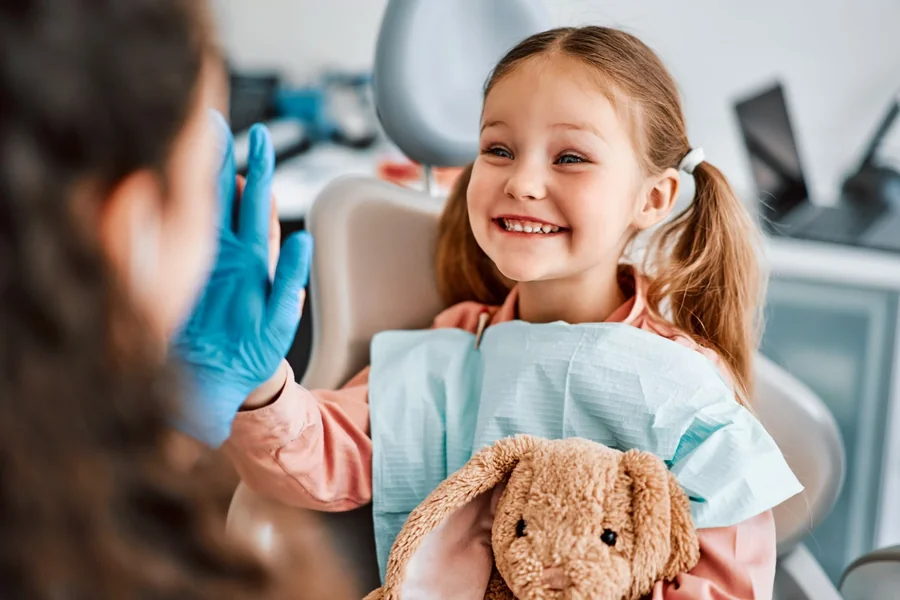
Family dentistry covers every stage of life. From a child’s first tooth to the challenges of aging teeth, you face unique dental needs. A dentist in Morrisville, NC offers care that adapts to every life phase. This practice ensures your family receives consistent and tailored oral health care. Pediatric dentistry focuses on routine check-ups and making children feel comfortable. As your family grows, teen and adult dental care maintains health with regular cleanings and advice. For older adults, managing wear and dental health becomes crucial. A friendly and familiar practice provides stability. You feel assured knowing your family’s dental care evolves with their needs. This seamless transition through life’s stages encourages better oral health habits. Your family’s smiles deserve consistent, compassionate care. With the right support, maintaining dental health is simpler. Trust in a practice that understands all ages, from pediatric to geriatric.
Pediatric Dentistry: The First Steps
Introducing your child to the dentist early sets the stage for lifelong dental health. A child’s first dental visit should happen around their first birthday. Early visits help children get used to the dentist’s office. You can expect cleanings, fluoride treatments, and tips for brushing tiny teeth. This proactive approach prevents cavities and promotes good practices.
Adolescent and Adult Dentistry: Maintaining Health
Teenagers and adults need regular dental check-ups to maintain oral health. During these years, braces or other orthodontic treatments might be necessary. Regular visits catch potential issues early. Cleanings and exams remove plaque and tartar, reducing tooth decay and gum disease risks. You can also receive advice on nutrition and lifestyle choices to support dental health.
Geriatric Dentistry: Adapting to Changes
Older adults encounter different dental challenges. Tooth enamel wears down over time, increasing sensitivity and decay risks. Gum recession and dry mouth are common issues. Regular dental care becomes critical to manage these changes. Treatments for missing teeth, like dentures or implants, enhance quality of life. You can enjoy meals and smile confidently with the right dental solutions.
Importance of Consistent Care
Switching dentists can disrupt your dental health. Continuity of care is valuable as your dentist knows your history and preferences. National Institute of Dental and Craniofacial Research highlights that oral health is essential to overall health. Regular visits reduce the risk of complex problems, making dental care more manageable.
Comparing Dental Needs Across Ages
| Age Group | Common Needs | Recommended Interventions |
| Children | Tooth decay prevention, building comfort | Regular check-ups, fluoride treatments |
| Teenagers | Orthodontic care, cavity prevention | Braces, routine exams |
| Adults | Decay prevention, maintaining oral health | Cleanings, lifestyle advice |
| Seniors | Managing wear, addressing sensitivity | Dentures, implants, regular care |
Building Trust Through Compassionate Care
A family dentist prioritizes creating a comfortable environment. This approach is crucial for managing dental anxieties. Children and seniors especially benefit from a warm and reassuring atmosphere. Relationships built on trust lead to better communication. You can express concerns and understand treatment options more clearly. This partnership between dentist and patient results in better care.
Emphasizing Prevention and Education
Educating patients on the importance of oral hygiene is key. Simple practices, like brushing twice daily and flossing, keep teeth healthy. Understanding the impact of diet on oral health is also important. Foods and drinks high in sugar can lead to decay. Your dentist can guide you on habits that protect your teeth.
Conclusion
From young children to older adults, every family member deserves thorough and compassionate dental care. Family dentistry adapts treatments to suit each age group’s needs. A long-term relationship with a dentist ensures continuity and confidence in care. Prioritize consistent dental visits and open communication with your dentist. This approach will lead to healthier smiles for your entire family.
