

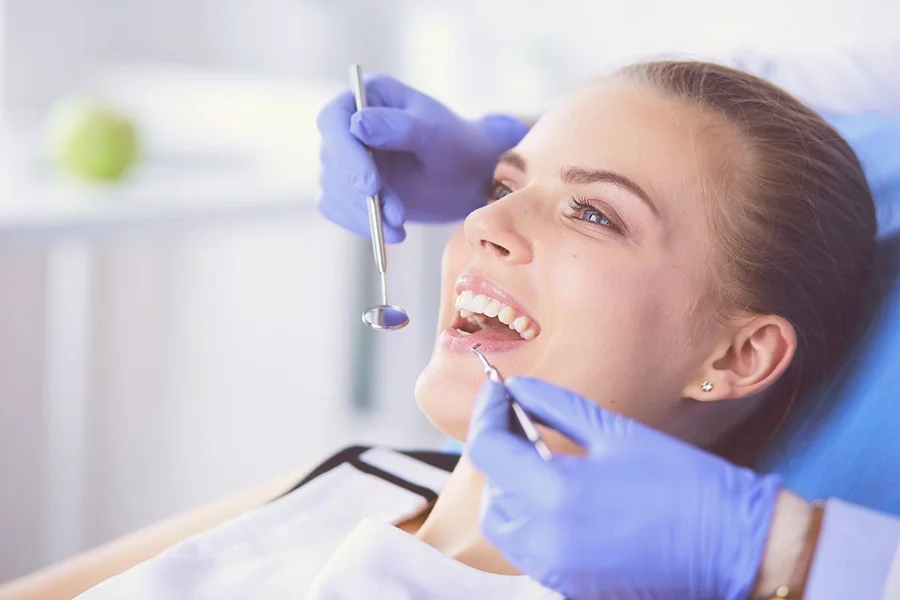
Preventive dentistry is key to orthodontic success. You might think orthodontics only involves braces or aligners. However, getting routine check-ups with a dentist in Pensacola, FL plays a big role in your overall dental health. Regular cleanings and exams can spot early issues. This proactive approach prevents complex problems later. For example, small cavities can become big if not addressed. Misaligned teeth, often linked to oral health, can affect your orthodontic progress. By catching issues early, you save time and avoid discomfort. You get a smoother orthodontic journey. Regular visits to your dentist not only maintain your oral health but also help align your treatment goals. It’s about working together for your best smile. Taking simple preventive steps ensures that when you do need orthodontic care, your mouth is ready. Only then can you achieve lasting results that benefit your health and your confidence.
How Preventive Dentistry Works
Preventive dentistry focuses on keeping your teeth and gums healthy. This not only prevents decay but also helps orthodontic treatments work better. Regular dental visits include cleanings, fluoride treatments, and exams. These simple actions remove plaque and detect issues early. The American Dental Association emphasizes the importance of these check-ups. Without them, you risk unseen problems that might complicate orthodontic care. You ensure a healthy foundation for any future treatments by keeping up with preventive measures.
The Connection Between Oral Health and Orthodontics
Oral health and orthodontics are closely linked. Straight teeth are easier to clean, reducing the risk of cavities and gum disease. Healthy gums and teeth create a stable environment for braces or aligners. The Centers for Disease Control and Prevention highlight how good oral hygiene supports overall health. Neglecting this connection can lead to longer treatment times and less effective outcomes. By maintaining oral health, you create a supportive setting for any orthodontic interventions.
Comparison of Preventive and Reactive Approaches
| Aspect | Preventive Approach | Reactive Approach |
|---|---|---|
| Timing | Early detection and management | Later intervention after problems occur |
| Cost | Lower overall costs | Higher costs due to extensive treatments |
| Comfort | Less discomfort and fewer issues | Possible pain and complications |
| Outcome | Efficient orthodontic progress | Potential delays and setbacks |
Steps You Can Take
Taking action now can improve future outcomes. Start with simple yet effective habits. Brush your teeth twice daily with fluoride toothpaste. Floss daily to remove debris between your teeth. Use mouthwash to rinse away any remaining particles. Visit your dentist regularly for cleanings and exams. The U.S. Surgeon General highlights these practices as crucial for long-term dental health. They not only protect your teeth but also create an ideal environment for orthodontic success.
Consult with your dentist about personalized preventive care. They can offer advice tailored to your needs and treatment plans. This might include sealants or additional fluoride treatments. Such steps protect your teeth and gums from future issues. You create a strong foundation for successful orthodontic treatment.
The Role of Orthodontists in Preventive Care
Orthodontists also play a role in preventive dentistry. While they focus on alignment, they understand that healthy teeth respond better to treatment. An orthodontist can work with your dentist to ensure optimal oral health. They might suggest regular check-ups or dietary changes to support your goals. This collaboration creates a comprehensive plan for your dental well-being.
It’s important to follow their guidance on wearing retainers or aligners. Proper use prevents complications and accelerates progress. Your orthodontist provides tools and techniques to keep your treatment on track. By listening to their advice, you reinforce the benefits of preventive care.
Your Journey to a Healthy Smile
Preventive dentistry and orthodontics together pave the way to a healthy smile. By taking active steps now, you ensure a smooth journey with positive outcomes. You build confidence by knowing that you maintain the best possible oral health. Regular dental care not only supports your current needs but also prepares you for future orthodontic treatments.
Explore resources from the Centers for Disease Control and Prevention for more tips on maintaining oral health. By staying informed and proactive, you protect your investment in your smile and well-being. Let preventive dentistry guide your path to orthodontic success.
