

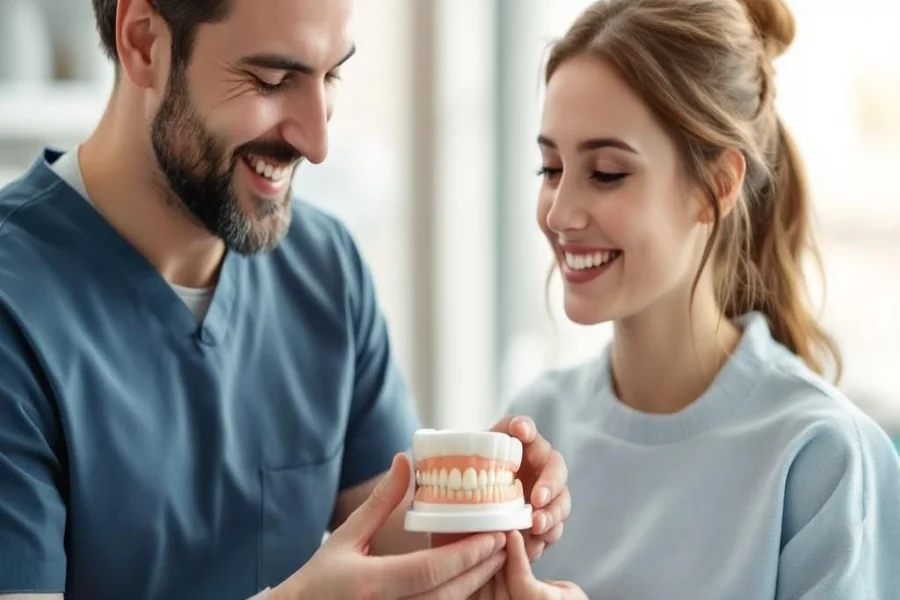
Preventive dentistry is essential for maintaining oral health. It focuses on stopping problems before they start. This method is the best defense against oral disease. By using preventive care, you can avoid more intense treatments later. You also reduce the risk of pain and save on costly procedures. Let’s explore three reasons why preventive dentistry is crucial. First, it reduces the development of cavities. Second, it helps you maintain healthy gums, lowering the risk of gum disease. Finally, regular check-ups ensure early detection of issues, making them easier to treat. Finding the right dentist is also important. For Spanish speakers, searching for dentistas que hablen español can make communication easier. Remember, taking control of your dental health now leads to a healthier, more confident smile.
Reduces the Development of Cavities
Cavities are common and can lead to more serious problems if not addressed. Preventive dentistry plays a key role in reducing their development. Regular check-ups allow dentists to spot early signs of tooth decay. With fluoride treatments and dental sealants, the risk of cavities decreases significantly. According to the Centers for Disease Control and Prevention, fluoride strengthens teeth. It helps resist acids and bacteria that cause decay. Sealants act as barriers, protecting vulnerable areas from harmful substances. Routine cleanings remove plaque and tartar, further preventing cavities. By staying proactive, you protect your teeth and avoid the discomfort of fillings or more extensive procedures.
| Preventive Measure | Purpose | Benefits |
|---|---|---|
| Fluoride Treatments | Strengthen tooth enamel | Reduce risk of cavities |
| Dental Sealants | Protect against decay | Shield grooves of teeth |
| Routine Cleanings | Remove plaque and tartar | Prevent cavities and gum disease |
Maintains Healthy Gums
Healthy gums are the foundation of a strong mouth. Unchecked gum disease can lead to tooth loss and impact overall health. Preventive care is crucial in keeping gums healthy. Regular dental visits catch early signs of gum disease, such as inflammation or bleeding. Professional cleanings remove plaque, a major cause of gum disease. The National Institute of Dental and Craniofacial Research highlights that good oral hygiene practices, like brushing and flossing, support gum health. These habits remove food particles and plaque, reducing the risk of gum problems. By focusing on prevention, you preserve your gums and avoid more serious conditions like periodontitis.
Ensures Early Detection of Issues
Early detection is vital for effective treatment of dental problems. Preventive dentistry prioritizes regular check-ups. These visits allow dentists to spot issues before they worsen. Early intervention often means simpler, less invasive treatments. For example, catching a cavity early might only require a small filling. Delayed detection can lead to more complex procedures, like root canals or extractions. Regular exams also help identify other oral health issues, such as oral cancer or misaligned teeth. By addressing concerns promptly, you maintain your oral health and prevent unnecessary complications.
In summary, preventive dentistry offers numerous benefits. It not only keeps your teeth and gums healthy but also saves you time, money, and discomfort in the long run. By focusing on prevention, you take charge of your dental health. Regular check-ups, fluoride treatments, and good oral hygiene habits are simple yet effective ways to protect your smile. Remember, maintaining your oral health is an investment in your overall well-being.
