

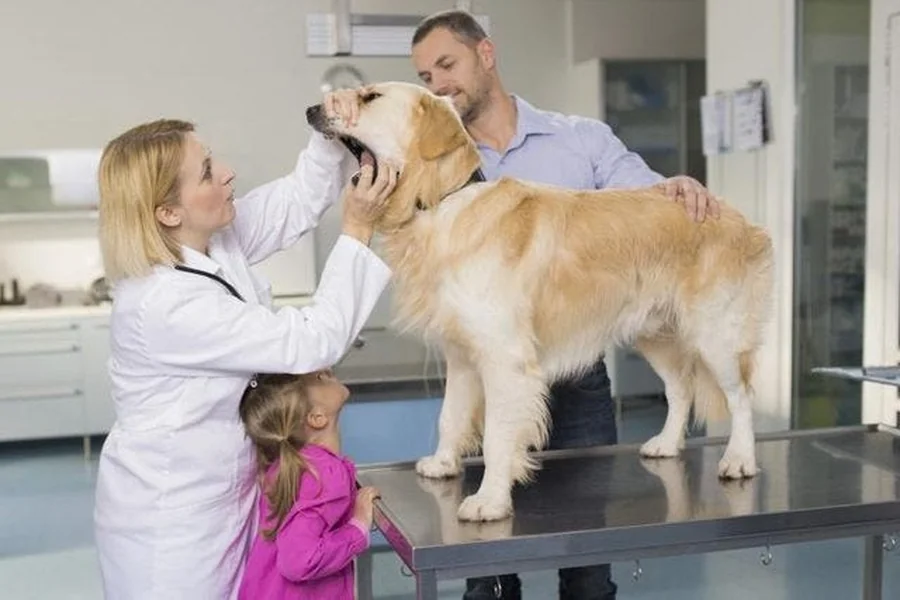
You’re seeing more pets needing dental care. It’s becoming a critical service in animal clinics. Pet owners are learning about the importance of oral health for their animals. A West Palm Beach veterinarian has noticed this trend, pointing out that dental issues can lead to other health problems. Pets can’t tell you when they have tooth pain, but you can spot signs like bad breath or trouble eating. Regular check-ups are crucial. You can help prevent issues before they start. This growing demand is not just about treating problems. It’s about maintaining overall health. Just like humans, pets need clean teeth and healthy gums to thrive. Animal clinics are responding by offering more advanced dental services. These include cleanings, extractions, and even orthodontics. You want to ensure your pet’s longevity. Start with their teeth. Keeping your pet’s mouth healthy is essential. You can give your pet a happy, pain-free life.
Why Dental Care Matters for Pets
Dental health is not just a human concern. Your pets need it too. Oral problems in pets can lead to infections. This affects their kidneys, liver, and heart. It is surprising how many pet owners overlook this. You should know that addressing dental issues can prevent these serious health complications.
Signs Your Pet Needs Dental Care
- Bad breath
- Difficulty chewing or eating
- Pawing at the mouth
- Inflamed or bleeding gums
These signs suggest dental issues. If you notice them, arrange an appointment with your vet. Early action is key to managing your pet’s health.
Services Offered at Animal Clinics
Animal clinics are taking steps to meet the rising demand for pet dental care. Here’s what you can expect:
- Dental cleanings: Removes tartar and plaque.
- Extractions: Removes broken or infected teeth.
- Orthodontics: Corrects misaligned teeth.
These services ensure your pet maintains a healthy mouth and, consequently, a healthier body. Support from professionals makes monitoring your pet’s health easier.
Comparison of Dental Issues in Dogs and Cats
| Issue | Dogs | Cats |
|---|---|---|
| Periodontal Disease | Common in small breeds | Higher risk in older cats |
| Tooth Resorption | Rare | Common |
| Fractured Teeth | Often from chewing hard objects | Less common but serious |
Understanding these differences helps you address specific needs in dogs and cats. Each has unique challenges that require attention.
How You Can Help
You can take simple steps to maintain your pet’s oral health. Brushing your pet’s teeth at home is effective. Use products designed for pets, like toothbrushes and toothpaste. Regular check-ups also make a difference. Your vet can spot and treat issues early.
Resources to Learn More
Gain more insights from reputable sources. The American Veterinary Medical Association offers guidelines on pet dental care. You can also explore resources from the FDA’s Animal Veterinary division. These resources provide valuable information to help you care for your pet effectively.
Conclusion
The demand for dental care in pets is growing. As a pet owner, you play a crucial role. By staying informed and proactive, you can ensure your pet enjoys a healthy, comfortable life. Start today by observing their dental health and seeking regular veterinary care. Your pet’s well-being depends on it.
