

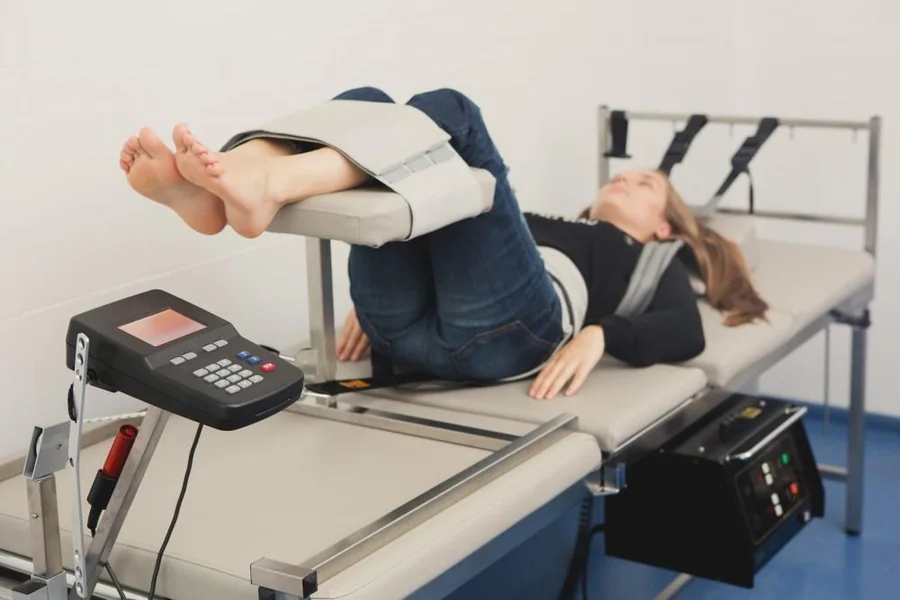
Spinal decompression therapy uses traction to create space between vertebrae, relieving pressure on spinal discs and encouraging healing by enhancing blood flow and nutrient exchange.
Specifically, cervical traction focuses on addressing neck pain, while lumbar traction targets lower back issues such as herniated discs and sciatica, both boosting pain relief and promoting spinal alignment.
Clients often report substantial improvements in mobility and energy following spinal decompression therapy, suggesting that overall wellness benefits extend beyond just pain alleviation.
Initially, patients may feel a stretching sensation during their treatment, signaling a beneficial release of pressure. Over time, long-term advantages can include better sleep quality and mood enhancement.
This therapy offers a non-invasive alternative to conventional pain management techniques, addressing root causes rather than simply masking symptoms.
Especially effective for conditions like sciatica and bulging discs, spinal decompression therapy provides persistent improvements that can significantly enhance patients’ quality of life by relieving nerve pressure.
During initial sessions, a comprehensive assessment is conducted, which leads to a customized treatment plan tailored to individual client needs, promoting engagement and understanding throughout the process.
Discover the Science Behind Spinal Decompression Therapy
How Does It Actually Work? Unpacking the Mechanics
Spinal decompression therapy is gaining recognition as an exceptional method for back pain management. But what makes it so effective? The therapy applies different forms of traction—cervical and lumbar—to create space between vertebrae. This alleviates pressure on spinal discs, enhancing blood circulation and nutrient flow, which are essential for healing. It’s not uncommon for clients to experience significant relief after just a few sessions. Grasping how this works aids individuals in truly valuing this non-invasive approach.
Moreover, the therapy doesn’t just reduce discomfort; it fosters an environment conducive to healing. Discs, often compressed due to poor posture or injuries, can regenerate thanks to improved circulation. Let’s delve a bit deeper. It’s all about generating negative pressure within the disc, which draws in fluids and nutrients necessary for recovery. Quite an intriguing concept, indeed.
The Role of Cervical and Lumbar Traction in Pain Relief
Traction can be specifically adjusted for either the cervical or lumbar regions. Each approach tackles unique pain patterns. Cervical traction aims to reduce neck pain while promoting alignment. It addresses issues such as headaches, tingling sensations, and muscle spasms that often accompany cervical concerns.
On the flip side, lumbar traction can be transformative for those dealing with lower back pain. Chronic issues like herniated discs, sciatica, and even spinal stenosis often show significant improvement with this targeted approach. Professionals typically adjust the traction intensity based on client feedback, ensuring that each session aligns with individual requirements. Acknowledging this collaborative effort helps clients appreciate the life-changing potential of spinal decompression.
Real Results: Client Experiences with Treatment
Success Stories: Transformations through Spinal Health
Real-life success stories always resonate. Clients frequently showcase their remarkable journeys following spinal decompression therapy. Take, for example, a middle-aged office worker plagued by debilitating lower back pain. After just a few weeks of treatment, she not only regained her mobility but also witnessed a surge in her energy levels. Her response? “It’s like I got my life back!”
These testimonials underscore not merely pain relief, but also profound transformations in overall wellness. Feedback often highlights a newfound ability to engage in daily activities—walking, exercising, or even gardening—that were once daunting tasks. It’s evident that these improvements often represent a more active engagement in life that many believed was lost.
What Patients Typically Feel: Immediate and Long-Term Changes
During those first sessions, clients might notice a stretching sensation. This feeling signifies the release of pressure, a positive indicator. Although many report immediate relief, the long-term benefits should not be overlooked. Over several weeks, strong improvements in mobility, sleep quality, and mood have been recorded.
It’s common to experience symptom fluctuations at the outset. However, persistence pays off in the long run. As time goes by, the body adapts, resulting in sustainable enhancements in both physical and mental well-being. Awareness of what one might encounter during this journey can significantly boost motivation.
Exploring the Benefits of Spinal Decompression Therapy
Why It’s a Preferred Option for Chronic Back Pain
Opting for spinal decompression therapy as a primary solution for chronic back pain simply makes sense. Traditional pain relief methods, such as medication, often only mask the symptoms instead of addressing root issues. In contrast, spinal decompression targets the underlying cause. This therapy stands out as a non-invasive, drug-free solution.
Key benefits include:
- Non-invasive treatment: This eliminates the necessity for surgery or long-term medication use.
- Reduction of pain: Many clients report substantial decreases in pain levels.
- Improved mobility: Greater ease of movement and flexibility is often noted.
Professionals emphasize that the focus on gentle traction facilitates a natural healing process. Patients can participate more actively in their rehabilitation, ultimately leading to better outcomes and a more rewarding recovery. Why settle for fleeting solutions when lasting relief is attainable?
How Therapy Addresses Sciatica and Disc Issues
Sciatica, a painful condition that radiates down the legs due to sciatic nerve pressure, is effectively tackled with spinal decompression therapy. Thanks to the targeted traction, herniated or bulging discs can retract, relieving nerve pressure. This process can significantly lessen radiating pain or numbness in the legs.
Additionally, issues related to discs tend to respond remarkably well to this therapy. When discs are correctly manipulated, patients enjoy improved alignment and a reduction in overall spinal stress. It’s vital to remember that this isn’t only about symptom relief; clients often experience lasting changes that elevate their quality of life.
In summary, the advantages of spinal decompression therapy go far beyond pain alleviation. It provides clients a pathway toward sustained wellness and functional improvement. Professionals argue for a comprehensive approach, integrating physical therapy, nutrition, and lifestyle modifications alongside this treatment.
Getting Started: What to Expect During Your First Session
Step-by-Step: The Initial Assessment and Treatment Plan
Stepping into a therapy session may elicit a mix of emotions—excitement, hope, or perhaps some anxiety. Understanding the process can help alleviate nervousness. Typically, the first step involves a thorough assessment in which healthcare professionals review medical history and current conditions. They inquire about pain specifics, daily routines, and lifestyle factors.
Once the assessment is complete, a personalized treatment plan is established, designed to meet specific needs and concerns. Each session usually kicks off with warm-up activities that prepare the muscles and joints for traction. After these warm-ups, a thoughtfully calibrated decompression begins, allowing clients to experience that vital stretching sensation.
- Assessment: Evaluate medical history and current health status.
- Customized plan: Tailor the treatment according to individual needs and comfort.
- Ongoing feedback: Clients provide real-time feedback throughout the process.
Having a clear understanding of the overall process can enhance client engagement and help set realistic expectations.
Preparing for Your Appointment: Tips for Enhanced Comfort
Preparation can significantly enhance the therapeutic experience. Here are a few tips to maximize comfort during a spinal decompression session:
- Wear comfortable clothing: Loose-fitting attire allows for better movement.
- Hydration: Staying hydrated can support overall spinal health.
- Be open with practitioners: Clear communication about pain levels ensures effective treatment.
Simple but effective steps like these can contribute to a more satisfying experience. Grasping the importance of preparation in achieving successful outcomes allows clients to approach their sessions with greater confidence.
“Effective spinal decompression therapy doesn’t just alleviate pain; it restores an active lifestyle.”
Whether grappling with chronic discomfort or aiming to boost overall spinal health, understanding the intricacies of spinal decompression therapy can empower individuals. Engaging in this therapy could indeed be a pivotal element in reclaiming wellness. Crafting a personalized plan, trusting the process, and witnessing the transformation take shape can unlock the benefits.
FAQ
What types of conditions can benefit from spinal decompression therapy?
Spinal decompression therapy has proven particularly effective for issues like herniated discs, sciatica, spinal stenosis, and chronic back pain. Clients commonly observe significant improvements in their pain levels, as well as enhanced mobility and overall quality of life.
How many treatment sessions are typically needed to see results?
Results can vary from person to person; however, most clients notice tangible improvements after about 4 to 6 sessions. A standard treatment plan may last several weeks, focusing on consistent participation for optimal recovery.
Are there any age restrictions for undergoing spinal decompression therapy?
Generally, there are no strict age limits, as spinal decompression therapy accommodates a diverse patient population. However, a thorough medical assessment is essential to determine suitability for individuals across different ages and health conditions.
Can anyone perform spinal decompression therapy, or does it require a professional?
Only licensed and trained healthcare professionals should administer spinal decompression therapy. Mastery of traction techniques is crucial for ensuring safety and maximizing treatment effectiveness.
What can clients do at home to support their treatment outcomes?
To optimize their treatment experience, clients can focus on maintaining good posture, participating in gentle stretching exercises, and sticking to a healthy lifestyle. Hydration and adhering to specific recommendations from healthcare providers also enhance overall results.
Are there any contraindications for spinal decompression therapy?
Yes, some conditions may prevent individuals from safely undergoing spinal decompression therapy. Examples include severe osteoporosis, fractures, or certain types of cancer. A professional assessment will clarify eligibility for each individual.
How does spinal decompression therapy compare to other pain management methods?
This form of therapy stands out as a non-invasive alternative to traditional pain management methods like medication or surgery. It directly tackles underlying issues instead of merely masking symptoms, paving the way for lasting relief and functional improvements.
Can spinal decompression therapy be combined with other treatments?
Absolutely. Many experts recommend integrating spinal decompression therapy with other modalities, such as physical therapy, chiropractic care, or exercise programs. This comprehensive approach can amplify overall effectiveness and promote faster recovery.
