

Visiting the dentist can feel overwhelming. However, understanding the dental cleaning and exam process can ease that anxiety. At the heart of every dental visit is the goal of preserving your oral health. When you visit a Houston dentist, you receive a thorough cleaning that removes plaque and tartar. This step prevents gum disease and cavities. During the exam, the dentist checks for signs of oral issues. Early detection helps in managing problems more effectively. The dentist will also guide you through proper care techniques tailored for you. This empowers you to maintain a healthy smile between visits. Knowing what to expect can make your dental visits much more comfortable and productive. You are not just a patient. You are an active partner in your oral health journey. Together with your dentist, you ensure a lifetime of healthy smiles. Understanding these steps brings calm to each visit.
The Importance of Regular Cleanings
You might wonder why regular cleanings matter. Routine cleanings keep your teeth and gums healthy. Plaque, a sticky film of bacteria, constantly forms on your teeth. If not removed, it hardens into tartar. Tartar can only be removed by a dentist. This process prevents oral diseases. According to the Centers for Disease Control and Prevention (CDC), most adults show signs of gum disease. Regular cleaning helps fight this common issue effectively.
What to Expect During a Cleaning
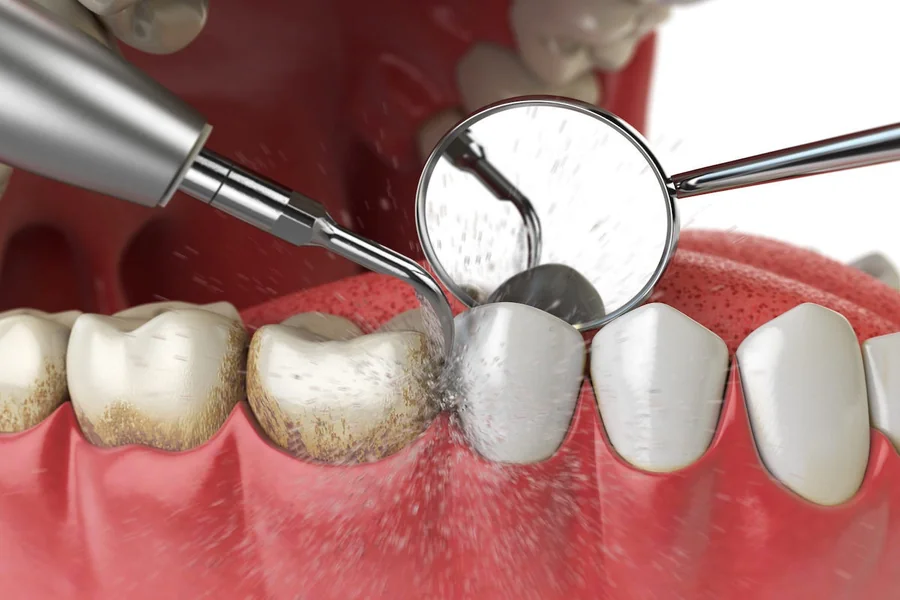
A cleaning involves several steps. First, the dentist or hygienist uses special tools to remove tartar from your teeth. This is known as scaling. Once your teeth are tartar-free, they are polished. This removes any surface stains. Finally, the dentist flosses your teeth to ensure that the areas between them are clean. This process is thorough yet straightforward, providing a fresh start for your oral care routine.
The Dental Exam Process
During a dental exam, the dentist looks beyond just cleaning. They check for cavities, gum disease, and other potential issues. Often, X-rays are taken to get a complete view of your oral health. The dentist also examines your tongue, throat, face, and neck to identify any signs of trouble. This comprehensive check-up ensures that any potential problems are caught early.
Frequency of Visits
How often should you see your dentist? The general guideline is every six months. However, some might need more frequent visits. Factors like age, health conditions, and oral hygiene habits can influence this. Your dentist will recommend a schedule that best suits you.
Comparison of Cleaning and Exam Components
| Component | Cleaning | Exam |
| Purpose | Remove plaque and tartar | Detect oral issues |
| Tools Used | Scaler, polisher, floss | X-rays, dental mirror |
| Focus Areas | Teeth and gums | Teeth, gums, tongue, throat, face, neck |
Post-Cleaning Care
After your cleaning, maintaining good oral hygiene at home is key. Brush your teeth twice daily and floss once a day. Use a toothpaste with fluoride to protect against cavities. Limit sugary foods and drinks, as they promote plaque formation. These simple steps keep your mouth healthy between dentist visits.
Addressing Dental Anxiety
Feeling nervous about dental visits is common. Communicate your concerns with your dentist. They can adjust their approach to make you comfortable. Knowing what to expect can also reduce anxiety. Remember, dental care is a collaborative effort between you and your dentist.
Final Thoughts
A regular dental cleaning and exam are crucial for maintaining oral health. Understanding each step can alleviate fear and empower you in your health journey. By working together with your dentist, you can ensure strong teeth and gums. Maintaining proper oral hygiene between visits is also vital. Your smile deserves the best care. Prioritizing regular dental visits paves the way for a healthier, brighter future. For more information, you can visit the American Dental Association website for additional resources and tips.
