

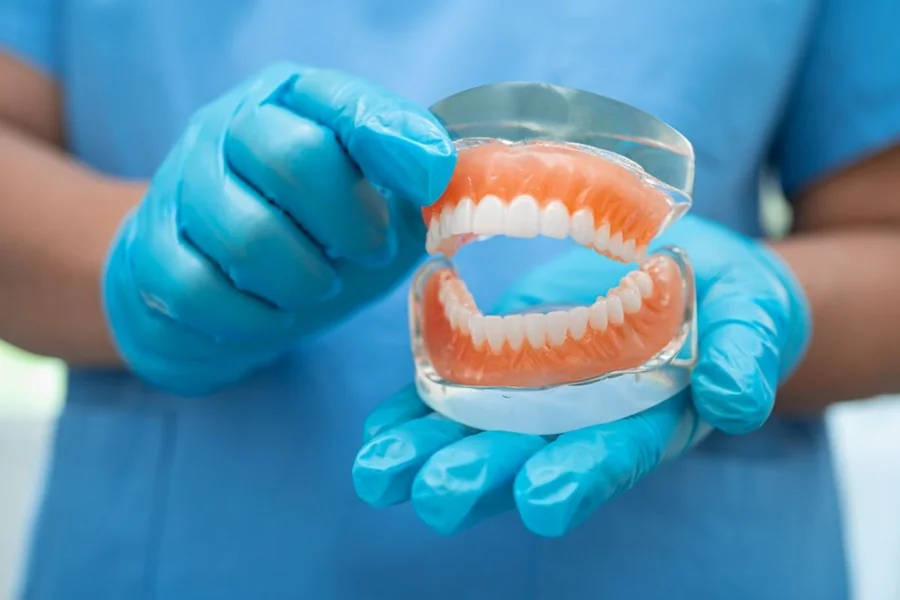
You deserve comfort and ease in your daily life. Your dentures play a crucial role in this. Over time, they may need adjustments or replacements. If your dentures are loose, this can cause discomfort and make eating difficult. You might also notice sore spots in your mouth. These are signs that it’s time for a change. Broken or cracked dentures are another clear sign. You may also struggle with speech or notice changes in your face shape. If any of these issues sound familiar, it’s important to seek help. A denturist in Strawberry Hill, Surrey can assess your dentures and determine what is best for you. Ignoring the signs can lead to more serious problems. Your well-being starts with a proper fit. So, take action. Ensure your dentures support your health and happiness. Prompt attention can bring relief and restore confidence in your smile.
Understanding the Importance of Denture Fit
Your dentures influence more than just your smile. They impact how you eat, speak, and how comfortable you feel in social settings. When they fit well, you experience fewer issues like gum irritation or infections. Over time, changes in your gums and bones can affect their fit. This is natural. Regular check-ups with your dentist or denturist ensure they serve you well. According to the Centers for Disease Control and Prevention (CDC), oral health is a key indicator of overall health, making denture maintenance essential.
Common Signs You Need to Adjust or Replace Your Dentures
- Discomfort: Persistent pain or pressure may signal a problem.
- Slippage: Dentures should stay in place. Movement can cause irritation.
- Changes in Fit: If your dentures no longer fit snugly, it’s time for an adjustment.
- Difficulty Chewing or Speaking: Misalignment can make these tasks harder.
- Visible Damage: Cracks or chips weaken denture structure and effectiveness.
Comparison Table: Old vs. New Dentures
| Feature | Old Dentures | New Dentures |
| Fit | May be loose and uncomfortable | Snug and secure |
| Functionality | Limited chewing and speaking ability | Improved function and comfort |
| Appearance | Worn and possibly stained | Natural look and feel |
Why Regular Check-Ups Matter
Regular dental visits help catch issues early. They are essential even if everything feels fine. A professional can spot wear and tear before it causes major problems. This proactive approach saves you from discomfort and unexpected expenses down the line. The National Institute of Dental and Craniofacial Research emphasizes that regular dental care supports overall wellbeing. Neglecting this care could lead to more invasive and costly treatments later.
How to Care for Your Dentures
- Clean them daily to prevent plaque buildup.
- Handle them carefully to avoid damage.
- Soak them overnight in a proper solution.
- Avoid using hot water, which may warp the material.
- Schedule regular appointments for professional cleaning and adjustments.
Taking the Next Step
Recognizing the signs that your dentures need adjusting or replacing is the first step toward maintaining your oral health. Don’t wait for discomfort to worsen. Seek guidance from a knowledgeable source. Whether you need adjustments or a full replacement, acting swiftly can restore your quality of life. By keeping your dentures in top shape, you ensure they continue to serve you well. Reach out to a denturist who can provide the care you need and deserve. Your comfort and health are the priority.
