

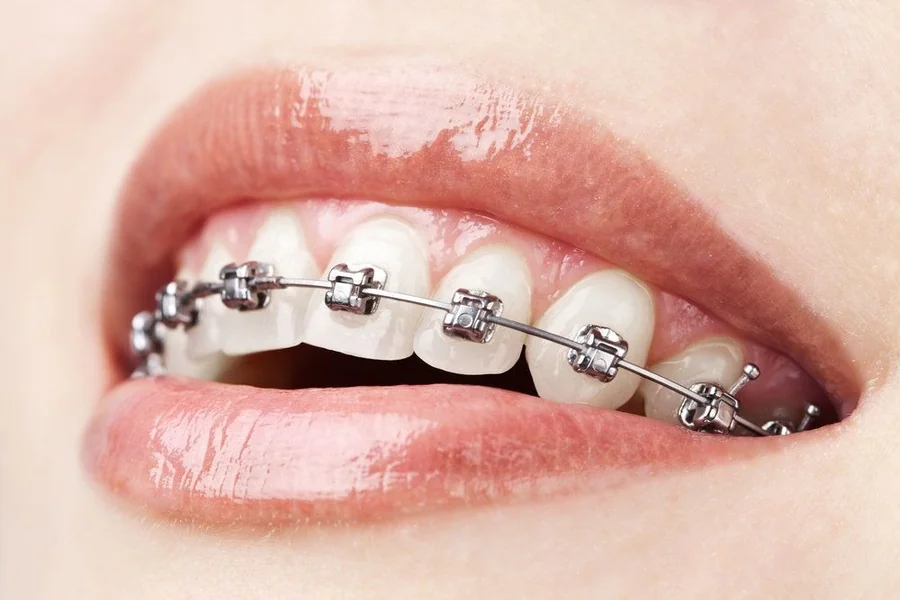
You may not realize it, but orthodontic care does more than just straighten teeth. It plays a crucial role in your long-term oral health. When your teeth are aligned, they are easier to clean. This helps reduce the risk of cavities and gum disease. Additionally, properly aligned teeth can alleviate pressure on your jaw. This helps prevent headaches and jaw pain. A dentist in Denton, TX can guide you through the process, ensuring your treatment meets your specific needs. Whether it’s braces or aligners, the right approach can lead to a lifetime of benefits. Misaligned teeth can cause wear and tear on enamel. Over time, this can lead to costly dental problems. Treating these issues early with orthodontic care not only boosts your smile but also your overall health. Investing in your teeth now saves you from future discomfort. It’s the small steps today that create a healthier tomorrow.
Understanding Orthodontic Care
Orthodontic care involves more than just improving the appearance of your smile. It plays a vital role in maintaining overall oral health. Misaligned teeth can create hidden spots that are difficult to clean. These spots often become breeding grounds for bacteria, increasing the risk of tooth decay. By realigning your teeth, orthodontic treatment helps in maintaining a cleaner and healthier mouth.
Benefits of Properly Aligned Teeth
When your teeth fit together as they should, daily maintenance like brushing and flossing becomes more effective. This means less plaque and fewer cavities. Proper alignment also prevents abnormal stress on your gums and jaw joints, reducing the risk of joint disorders. Here’s a quick comparison:
| Misaligned Teeth | Aligned Teeth |
| Harder to clean | Easier to clean |
| Increased risk of cavities | Reduced risk of cavities |
| Potential jaw pain | Reduced jaw pain |
Types of Orthodontic Treatments
Braces and clear aligners are the most common orthodontic options. Braces consist of metal brackets and wires that gradually move teeth into place. Clear aligners, like Invisalign, offer a less noticeable option while achieving similar results. Both methods require regular check-ups to ensure progress and adjustments as needed. Each option has its own benefits, and your dentist can help determine which is best for you.
How Long Does Treatment Take?
The duration of orthodontic treatment varies from person to person. On average, treatment can last between one to three years. Factors like the complexity of your case, type of treatment, and your age can affect this timeline. Following your dentist’s instructions and maintaining good oral hygiene can help in completing your treatment on schedule.
Long-Term Oral Health Strategies
After completing orthodontic treatment, maintaining your oral health is crucial. Wearing retainers as instructed is necessary to keep your teeth from shifting back. Regular dental visits and cleanings are also important in preventing future issues. The American Dental Association provides resources on maintaining oral health.
Cost Considerations
Orthodontic care is an investment in your health. Costs vary based on the type of treatment and length of care needed. Many dental insurance plans offer partial coverage for orthodontic treatment. Consulting with your dentist can provide a clearer picture of costs and payment options.
Conclusion
Orthodontic care significantly impacts your oral health long into the future. While the process may seem lengthy, the benefits far outweigh the time spent. Properly aligned teeth contribute to better oral hygiene, fewer cavities, and less pain. Taking the first step today ensures a healthier and brighter smile for years to come. For more information, the CDC offers additional insights on orthodontic care and its benefits.
