

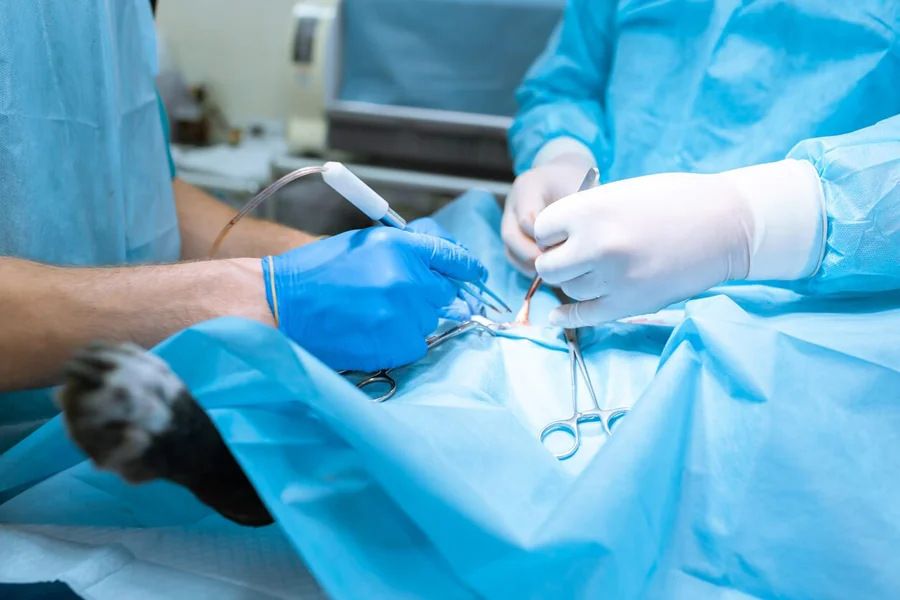
Navigating the world of veterinary surgery can feel overwhelming, especially when your pet’s health is on the line. At a veterinary medical center in Gainesville, FL, you will find experts ready to guide you through each step of the process. From the first consultation to post-surgery care, understanding what to expect can ease your stress and help you make informed choices. You will learn about pre-surgery preparations, the surgical procedure itself, and the essential aftercare. Each stage is crucial for your pet’s well-being. Knowing what happens at these stages will help you advocate for your pet’s best interests. Clear communication with the veterinary team ensures that your pet receives the highest standard of care. Remember, your involvement is key. It makes a difference in how smoothly the process unfolds. With this guide, you can confidently face the journey ahead, armed with knowledge and peace of mind.
Initial Consultation and Evaluation
The first step in any surgical process is a thorough consultation. During this time, the veterinarian will assess your pet’s condition through a physical examination and discuss the surgery. You may need to provide your pet’s medical history and details about any previous health issues. This information helps the vet determine the best approach for your pet.
Tests such as blood work or X-rays might be necessary to evaluate your pet’s health. These tests ensure your pet is fit for surgery and help identify any potential risks. It’s important to ask questions and express any concerns during this stage. Open communication with the veterinary team is crucial for understanding what to expect and how to prepare your pet.
Preparing for Surgery
Once surgery is scheduled, you will receive specific instructions on how to prepare your pet. Fasting may be required to prevent complications during anesthesia. Ensure your pet has a comfortable space to recover post-surgery and arrange for any necessary supplies like medications or special food. The veterinary team will provide a checklist to help you prepare effectively.
The Surgical Procedure
The day of the surgery involves several steps. First, your pet will be checked in and given a final examination to confirm readiness. Anesthesia is administered to ensure your pet is comfortable and pain-free during the procedure. The veterinary team will continuously monitor your pet’s vital signs throughout the surgery to ensure safety.
Surgeries can range from routine procedures like spaying or neutering to more complex operations. Understanding the type of surgery your pet will undergo helps alleviate concerns and sets realistic expectations.
Post-Surgery Care and Recovery
After surgery, your pet will need time to recover in a quiet, comfortable environment. Follow any discharge instructions provided by the veterinary team. These may include limits on activity, wound care, and medication schedules. Pay attention to your pet’s behavior and report any unusual signs to your vet.
Regular follow-up appointments are essential to monitor healing and address any issues. During these visits, the vet may remove stitches or conduct additional tests to ensure your pet’s recovery is on track.
Comparison of Common Veterinary Surgeries
| Surgery Type | Duration | Recovery Time | Main Benefits |
| Spay/Neuter | 30-90 minutes | 7-14 days | Population control, reduces certain health risks |
| Dental Cleaning | 45-60 minutes | 1-2 days | Prevents dental disease, improves overall health |
| Orthopedic Surgery | 1-4 hours | 4-12 weeks | Improves mobility, alleviates pain |
Resources and Support
For more guidance, visit the American Veterinary Medical Association. Here, you will find resources that can help demystify the surgical process. These materials offer insights into what to expect before, during, and after surgery.
Finally, remember that the veterinary team is your ally. They are there to support both you and your pet every step of the way. Do not hesitate to reach out with questions or concerns.
