

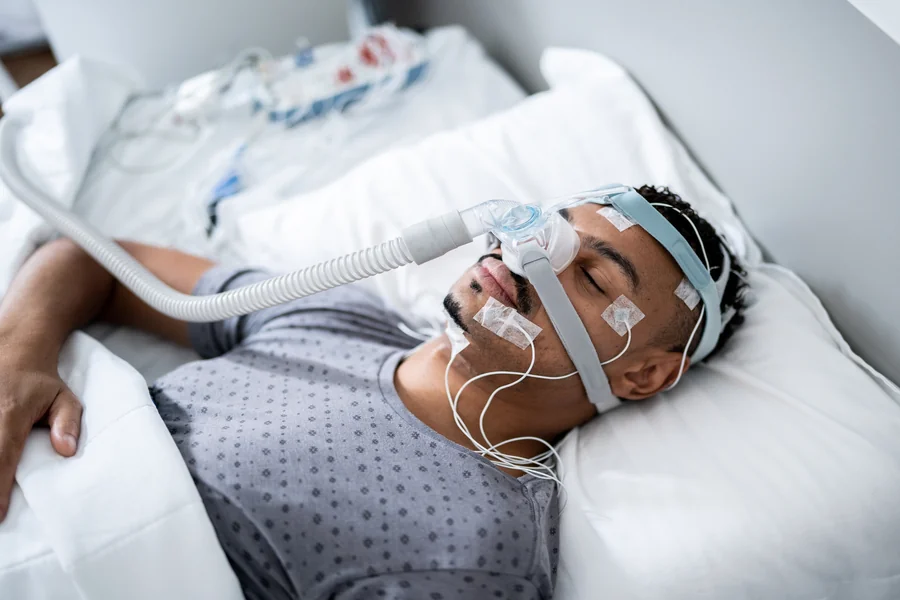
Your next dental checkup might surprise you. Many dentists now screen for sleep apnea. This condition affects your breathing while you sleep. It can lead to serious health issues like high blood pressure and heart disease. A North Dallas family dentist understands the importance of early detection. They check for warning signs that could point to sleep apnea. If caught early, treatment can improve your sleep and overall health. This simple step during your dental visit could prevent bigger health problems. Regular screenings are key. Your dentist might look for things like enlarged tonsils, a small jaw, or other symptoms. These signs help identify potential issues before they worsen. You deserve a good night’s sleep and good health. Understanding the link between oral health and sleep disorders highlights your dentist’s role in keeping you well. This partnership empowers you to take control of your health.
Understanding Sleep Apnea
Sleep apnea causes interruptions in breathing during sleep. This may result from blocked airways or signals from the brain that fail to reach your muscles. You might not be aware of these disruptions, but your body feels it. People with sleep apnea often experience daytime fatigue, morning headaches, and irritability. Over time, these symptoms can affect your quality of life.
Why Dentists Screen for Sleep Apnea
Dentists often notice signs of sleep apnea before other healthcare providers. Your mouth provides clues about your airway health. For instance, a small jaw or misaligned teeth could indicate a risk. Dentists see these features regularly, placing them in a unique position to help. According to the National Institutes of Health, this proactive approach can identify potential health issues early.
The Impact of Untreated Sleep Apnea
Ignoring sleep apnea can lead to serious complications. High blood pressure, heart disease, and stroke are significant risks. Without treatment, these conditions can worsen. Research from the Centers for Disease Control and Prevention shows a clear link between sleep apnea and these health problems.
| Health Risk | Potential Impact |
|---|---|
| High Blood Pressure | Increases strain on heart |
| Heart Disease | Improves risk of heart attack |
| Stroke | Improves risk of brain damage |
What Happens During a Screening
A sleep apnea screening is simple and non-invasive. Your dentist will ask about your sleep habits and look for physical signs in your mouth. This might include checking your tongue size, tonsils, or throat. If signs point to sleep apnea, you might need a sleep study. These tests measure your sleep patterns and confirm the diagnosis.
Benefits of Early Detection
Spotting sleep apnea early makes treatment more effective. You might need a CPAP machine, oral appliances, or lifestyle changes. These treatments can drastically improve your sleep and health. They help reduce the risk of more severe health issues. Early detection offers a cost-effective way to protect your wellbeing.
Your Role in Managing Sleep Apnea
You play a crucial part in managing sleep apnea. Regular dental visits help monitor changes in your oral health. Being open about your symptoms allows your dentist to better assist you. Together, you can develop a plan that suits your needs. This shared responsibility ensures a healthier future.
Conclusion
Sleep apnea screenings at your dental visit might seem unexpected. Yet, they offer a valuable opportunity to address a hidden problem. Understanding the link between oral health and sleep disorders empowers you. With your dentist’s help, you can take control of your sleep health. This simple addition to your checkup can pave the way for better rest and a healthier life.
